‘ADAP DIDN’T JUST KEEP ME ALIVE’: A PERSONAL STORY AMID HIV FUNDING CUTS
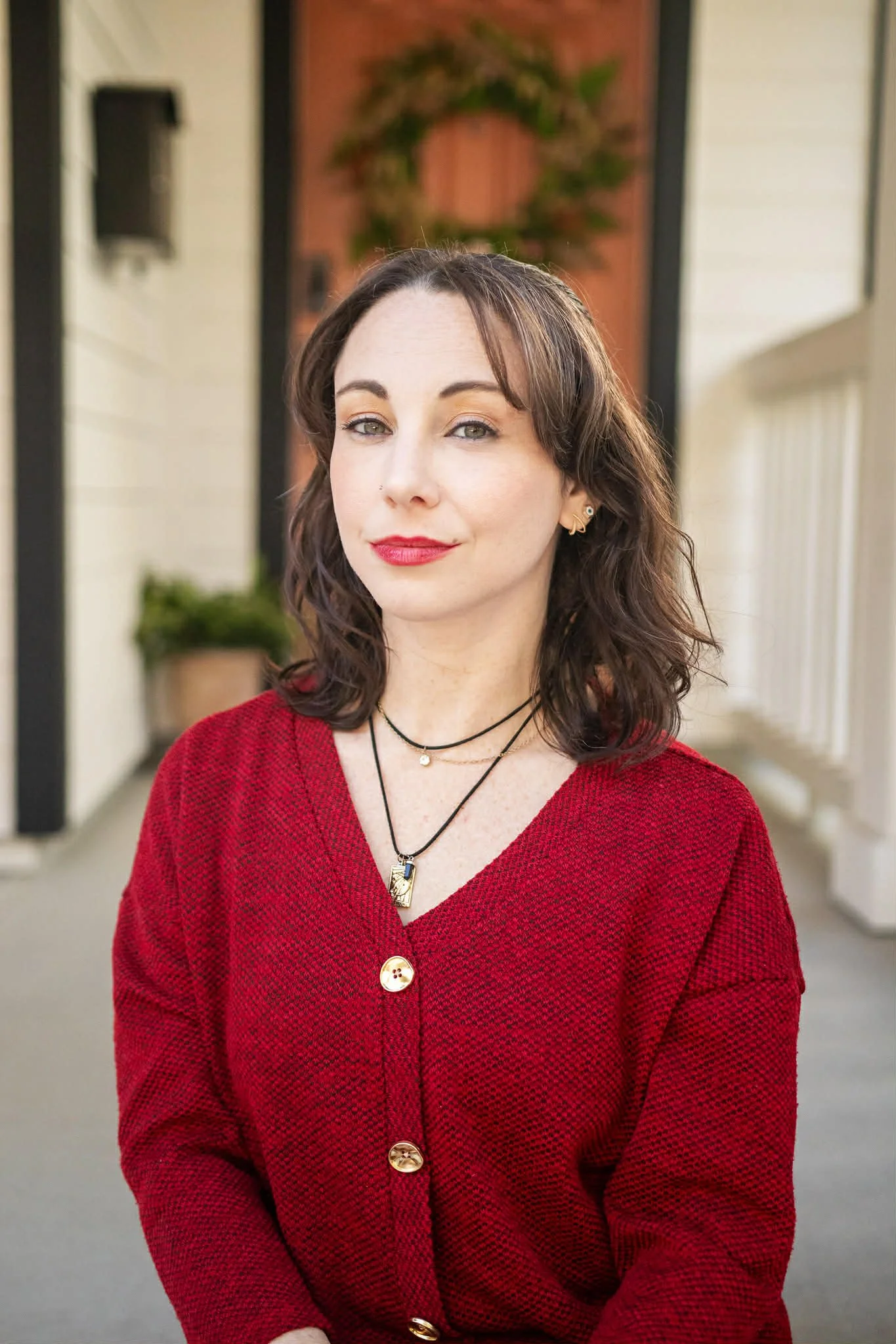
Catherine Corby. Photo by Oubon Ly.
It was Father’s Day 2017 when Catherine Corby took an at-home HIV test and received a positive result.
Two days after a blood draw with her primary care physician, Corby received the call asking her to come into the office to discuss the results — a request she knew was only made when there was a positive result to discuss.
Corby describes what followed as “a full tower moment freefall.” Within days, the partner who had promised to stay was gone with barely a word. “The depths of my sadness scared even me,” Corby recalls.
In the blur that followed, she vaguely remembers the Health Department reaching out and helping her connect with The AIDS Healthcare Foundation (AHF). She recalls feeling completely detached during one of her first meetings. While she cannot remember exactly what was said, she does remember how the interaction made her feel, stating, “The genuine love and warmth the staff at AHF has shown me over the years has been just as healing as the medical care they’re determined to make sure that people living with HIV continue to receive.”
At first, Corby relied on the medications available through her insurance — three medications taken twice a day. With assistance from AHF, she later enrolled in the Ryan White HIV/AIDS Program and the AIDS Drug Assistance Program (ADAP), programs designed to help low-income individuals access life-saving treatment.
Enrollment changed everything.
Through ADAP, Corby was able to switch to Biktarvy, a once-daily medication that at one point would have cost her $2,000 a month. The current average cost of Biktarvy without insurance is $5,132.26, according to GoodRx.com. Through ADAP, Corby received her medication at no cost.
Every three months, she underwent urine and blood screenings to monitor her status, paying only a $10 copay.
The medication worked. In a recent letter to the editor addressing cuts to ADAP funding, Corby wrote: “ADAP didn’t just keep me alive — with Biktarvy I became consistently undetectable. For the unaware, that means I have so few copies of the virus in my body I can’t pass it on. I could have a child if I wanted and that baby would not be born with HIV. Is that a future we’re willing to let get stripped away from 16,000 of our brothers and sisters? I’m not.”
On Sunday, March 1, funding cuts went into effect, removing assistance from anyone earning more than $21,000 a year.
While Corby now has insurance that makes her continued care possible, many who relied on ADAP for medication and monitoring do not. With the funding changes now in place, an estimated 12,000 HIV-positive Floridians are without medical and medication assistance.
For patients who depend on uninterrupted treatment to maintain their health — and prevent transmission — the stakes are immediate and profound.
We will continue to closely monitor and report on this situation.
For Corby’s full Letter to the Editor, click here.
