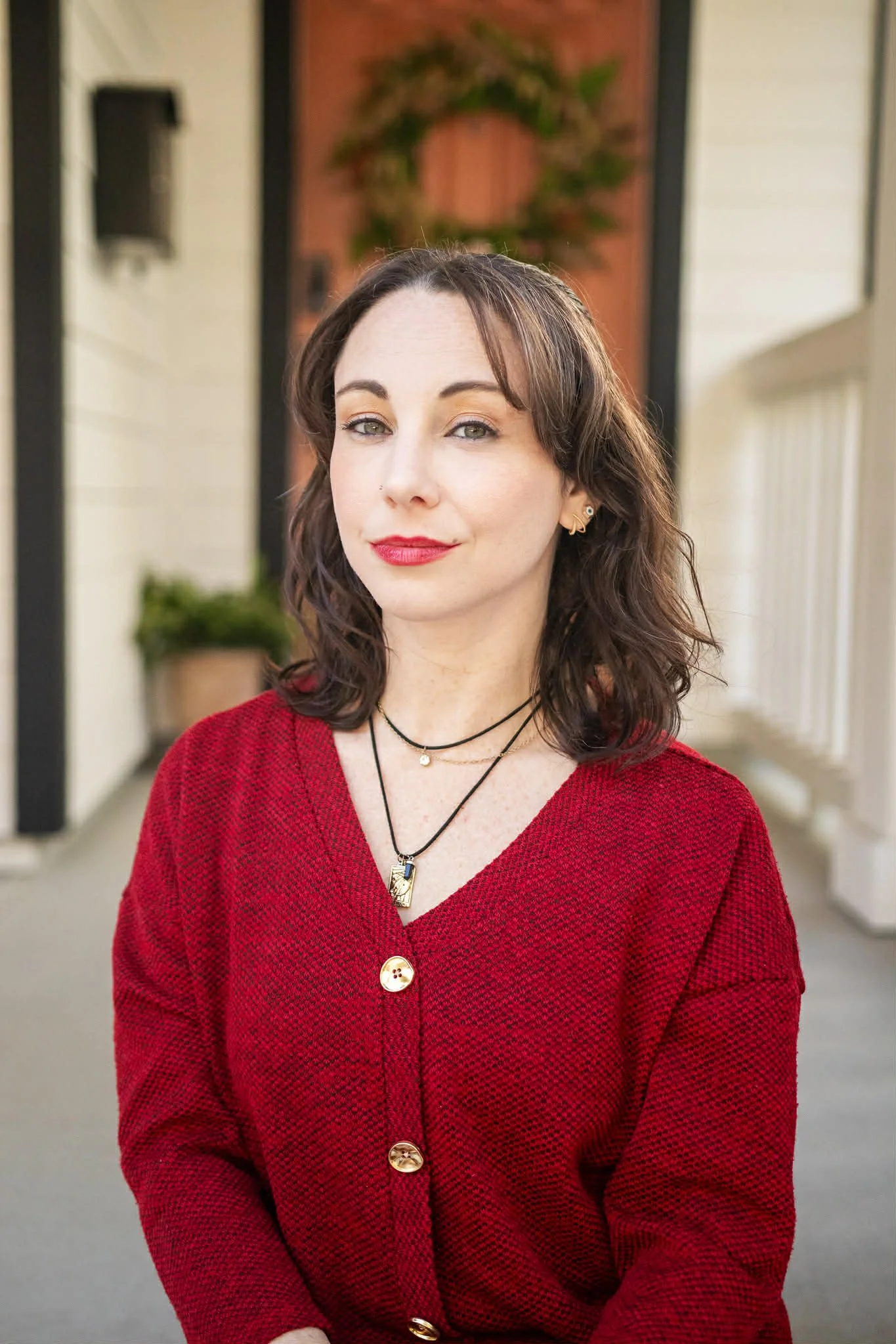
Catherine Corby Letter to the Editor
I took an at home HIV test on father’s day 2017. When I saw the result it was like the walls of reality were melting down around me. My dad got the call no father wants, but especially given the day. In alignment with the man he’s always been, he calmed me, supported me and assured me that whatever it is—it’s going to be okay. I didn’t believe him, but it was a nice thought. I went to my PCP for a blood test. The guy I was dating at the time came with me to get the bloodwork done. In the time between having the blood taken and getting the results, I realized the scope of what I was walking into. In a sick attempt to control the situation I told him, “If my confirmation test comes back positive, I want you to leave me.” I didn’t, but the thought alone of abandonment with no warning was too much to bear. If he was going to leave me, I wanted to face it head on.
He grabbed me by the wrist, looked me in the eye and said, “I love you and I’m not going to leave you.”
I was at work a day or two later and I got a call from my doctor. I rushed to the stairwell to have some semblance of privacy. They told me I needed to come into the office to go over my results and with that I knew. My doctor told me when I had the blood drawn, they’d only have me come in if I was positive for one of a couple things—namely HIV. I’d just turned 28, thought I was with the person I’d spend the rest of my life with and everything I built came crashing down.
A couple days later my ex, the same man who said, “I love you and I’m not going to leave you,” didn’t just leave, but ghosted me. All I got was, “I can’t do this,” as he got up out of bed and left.
Maybe that’s all he could muster. I was in a full tower moment freefall. The depths of my sadness scared even me—a seasoned professional of major depressive disorder. I honestly can’t recall all the details of what unfolded. Trauma does that. I remember someone from the health department reached out. I got connected to AHF. My dad was there for a lot of it—helping me through. I was in a functional freeze, depressed and sullen. I remember being completely detached at one of my first meetings with a benefits coordinator at AHF. She read the pain on my face as indignation. Like maybe she thought I thought I was too good to be there. I can’t remember what it was she said to me, but I needed to hear it. I was letting this energy of victimization envelope me. The genuine love and warmth the staff at AHF has shown me over the years has been just as healing as the medical care they’re determined to make sure that people living with HIV continue to receive.
When I first started medication, I didn’t know about Ryan White or ADAP. I was probably told about it in that first meeting, but thoroughly disassociated. So, working with the medications that my insurance at the time covered I had a cocktail of three medicines that I took about twice a day. The adjustment period was brutal. I’ll spare you the details, but I was out of work for an extended period of time. Literally too many vomit flashbacks to count. It was rough, but I learned how to not take myself so seriously. I set the alarm on my phone to remind me to take my medications to the song "Die Young" by Sylvan Esso. A fact, one of my roommates found more morbid than amusing, but I was in head on confrontation with my mortality. What else was I going to do? Die? I definitely thought about it. I entered an intensive outpatient program at Baptist because at the time I felt, "My own body doesn't even want me to live. Why should I?" I lost myself in that darkness. I had so much anger and hurt I morphed into someone who I'm genuinely ashamed of, but I worked on my sense of self and changing my behaviors and thoughts to be a person who I approve of. To hell with what some cowardly avoidant thinks. In doing so I fell in love with myself. Even the parts I was once ashamed of. Things are almost always clearer in hindsight.
At one point someone at AHF was like, “Wait—why aren’t you enrolled in Ryan White and ADAP?”
Fast forward and I’m on a one pill regimen with Biktarvy and consistently undetectable. When I still fell within the financial requirements for ADAP, I got my HIV antiviral medication for free. The AHF pharmacy can even deliver to your door for patients with limited transportation or mobility. I get my blood and urine screened every three months to ensure everything is going well.
Last November I phased out of the requirements for the program. My fiancée and I finally tied the knot and I’m on his insurance now. My costs have significantly gone up. What used to be a $10 visit for labs is now $105 ($45 for the doctor’s visit, $60 for the labs). And that’s every three months. The medications that were once $0-$10 are now $20-$60. I’m still in a better position than many of the people at risk from these cuts though. At one point in my journey, without assistance, my co-pay for Biktarvy would have been $2,000 a month. Like what?
I found out about the cuts when I was at AHF for my labs in January. I mentioned something to a staff member about phasing out and they told me about the cut. It was relatively new news to them at the time, but all the details unspoken between us in that moment resounded. We both were acutely aware of where this would lead. The impact, the suffering.
AHF sent communication about the rally to save ADAP on February 27th and I knew I needed to be there. These programs didn’t just keep me alive, but are the sole reason I had health insurance to seek out care after a car accident in 2019. As my lawyer at Farah & Farah was keen to point out, if I’m not going to the doctor it can be argued by the defense (my own auto insurance) that I’m not really in pain. I guess not being able to afford it isn’t a good enough reason to go without care… like most of us haven’t been there. Farah & Farah ended up with more of the settlement money than I did, but I truly would have been up a creek without a paddle without what I did get. And I wouldn’t have been able to get that without the healthcare I got through ADAP.
If I wanted to, I could have a child and that baby wouldn’t be born with HIV because of Biktarvy. I can’t see how removing this medicine from the coverage does any good. Do we not want more children? Why are we repealing programs that protect them? Denying a problem never makes it go away. It only makes it a bigger problem for someone else. We have money for ballrooms with bunkers underneath. We always have enough money for warfare, but never enough for healthcare. It’s not a matter of lack, but prioritization. We need to demand our leaders prioritize us and when they don’t we must hold them accountable. You can’t fix a problem with the same logic used to create it. The time for inaction is long over. Lives literally depend on what we collectively do next.