Candidate Spotlight: Jon Harris, District 16
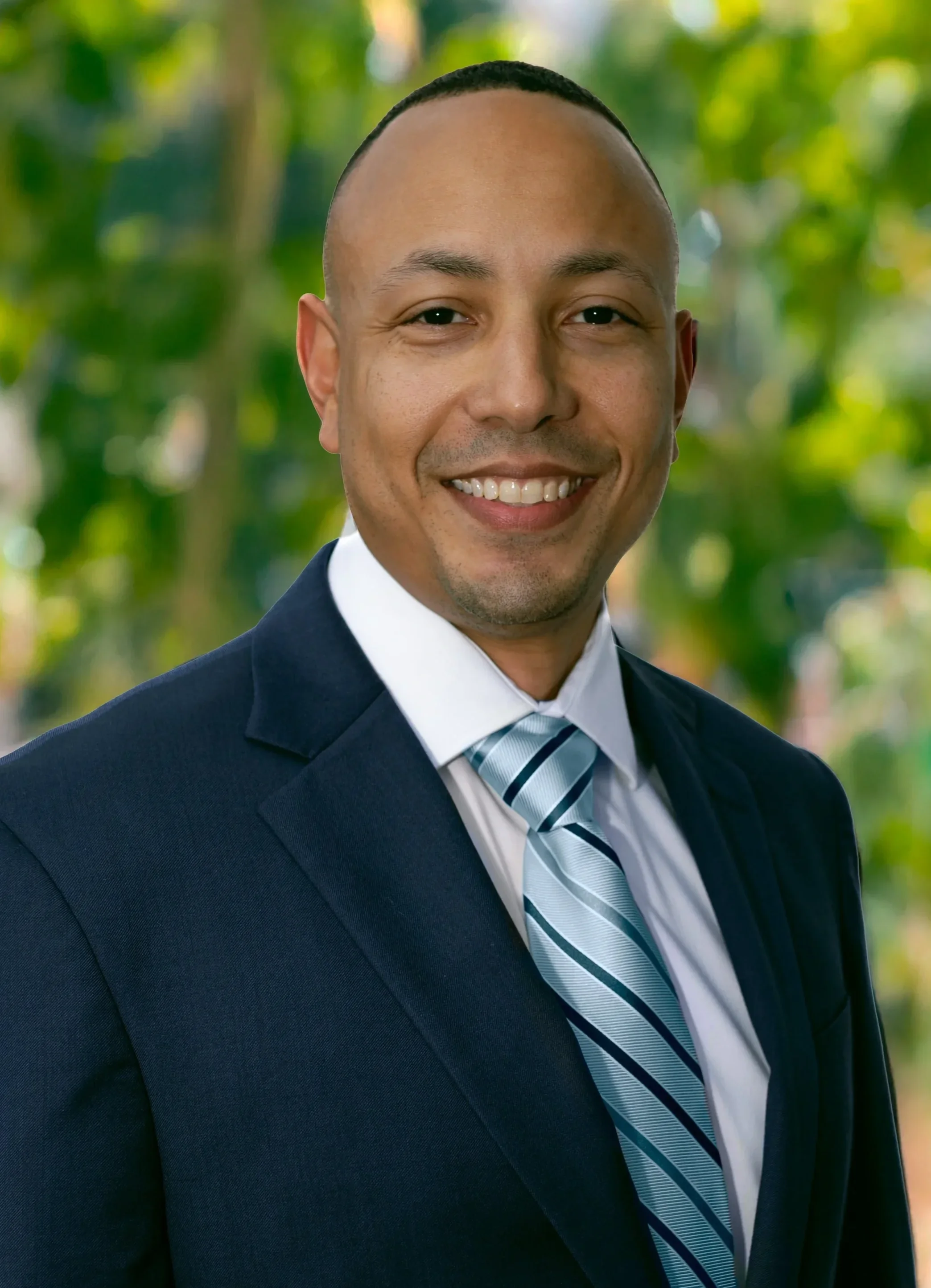
John Harris was raised in a structured, faith-centered household as the only boy among four siblings. For much of his childhood, his family lived a stable middle-class life, but that changed during his high school years when his parents divorced—an experience that gave him an early understanding of how quickly stability can shift.
Both of his parents shaped him in different ways. From his father, he learned the value of service; from his mother, a habit of curiosity and critical thinking. As part of a military family, he also spent time living in Italy, an experience that broadened his perspective at a young age. Together, these influences helped instill a foundation of discipline, adaptability, and responsibility.
Harris’ interest in politics began early and deepened during his time at St. Petersburg College, where he came to see civic engagement as more than just voting—it was about staying informed and involved. Rather than following a traditional political path, Harris built his career in service and leadership. He spent nearly two decades in the Army, including multiple deployments, and later worked in cybersecurity and information technology, managing complex systems and high-stakes projects.
Now, as a candidate, Harris says his campaign is grounded in listening to voters and understanding the challenges they face, particularly around affordability and the cost of living. “I don’t come from a traditional political background,” he says. “And I think that’s part of why I decided to run.” Instead, he points to his background in service, leadership, and problem-solving as the experience he brings to representing people over politics.
Q&A with Jon Harris
If elected, what would be the first piece of legislation you would introduce?
If elected, the first piece of legislation I would introduce would focus on lowering the cost of healthcare through the creation of a public option we call the American Choice Healthcare Plan. Right now, too many families are one medical bill away from financial hardship. We’ve seen some progress with expanded ACA subsidies, but Congress has failed to make that relief permanent, and people are paying the price. My plan would lock in those lower premiums, reduce out-of-pocket costs, and create a public option to give people more affordable choices. Because at the end of the day, if we’re serious about fixing the affordability crisis, we have to start with the costs people can’t avoid, and healthcare is at the top of that list.
What would be the first district-specific problem you would address? How would you address it?
The first district-specific issue I would focus on is the rising cost of living here at home, especially when it comes to housing and insurance. I’ve talked to families across Manatee and Hillsborough counties who are seeing their insurance premiums double, sometimes triple, while home prices and property values continue to rise. For a lot of people, especially retirees on fixed incomes, it’s becoming unsustainable. Now, while some of this is driven at the state level, there is a federal role to play. I would work to bring more stability to the insurance market by supporting federal reinsurance solutions, investing in resilience and disaster mitigation to reduce risk, and pushing for greater transparency and accountability from insurers. At the same time, I would advocate for policies that increase housing supply and reduce cost pressures, because we can’t separate the affordability crisis from what people are experiencing right here in our district. This isn’t theoretical, it’s something people are dealing with every single month, and it deserves immediate attention.
How do you view the current political climate in Florida?
I think the political climate in Florida has become increasingly polarized, and people feel that in their day-to-day lives. Too often, politics today is about scoring points or dividing people, instead of solving real problems. And when that happens, the issues that matter most, like affordability, healthcare, and the cost of living, don’t get the attention they deserve. What I hear from people across this district, regardless of party, is that they’re tired of the noise. They want leaders who are focused on results, who are willing to work across the aisle, and who remember that their job is to represent people, not a party. That’s the approach I’m bringing to this campaign, and it’s the kind of leadership I believe Florida needs more of right now.
What motivated you to run for Congress?
What motivated me to run for Congress was really a combination of service and frustration. I’ve spent most of my adult life serving, whether in the military or in my professional career, and I’ve always believed that if you see a problem, you have a responsibility to step up and try to fix it. When I looked at where I could make the biggest difference, I kept coming back to Congress. And what I saw was an institution that, in many ways, has lost focus. Instead of being a co-equal branch of government that represents the people, it too often feels like a political echo chamber. And while that’s happening, real issues like affordability, healthcare, and the cost of living aren’t getting solved. So for me, this campaign is about getting back to the purpose of the job, representing people, not a political party, and focusing on real solutions that actually improve people’s lives.
What three issues are most important to you?
The three issues that matter most to me all center around affordability and opportunity. First is the cost of living. Right now, too many families are working hard but still struggling to afford housing, groceries, and basic necessities. That’s the issue I hear about more than anything else across this district. Second is healthcare costs. Even for people with insurance, the cost of care can be overwhelming. One unexpected medical bill shouldn’t put a family into financial hardship. And third is economic opportunity. People want to be able to get ahead, not just get by. That means creating an environment where wages grow, jobs are available, and small businesses can succeed. At the end of the day, all three of these are connected. If we can lower costs and expand opportunity, we can restore a sense of stability and security for families here in our district.
What is your stance on ICE? Abolish or reform?
I believe ICE should be reformed, not abolished. We are a nation of laws, and we need an immigration system that is orderly, fair, and secure. That includes enforcing our immigration laws. At the same time, I think there are legitimate concerns about accountability, transparency, and how enforcement is carried out. Any federal agency should be held to a high standard, especially when it comes to how people are treated. So my focus would be on reform, making sure ICE is focused on real public safety threats, improving oversight, and ensuring that our immigration system reflects both the rule of law and our values as a country.
What is your plan to reach moderate and Republican voters in the district to ensure we can flip the seat?
The way you reach moderate and Republican voters in a district like this is by focusing on the issues that actually affect their daily lives, not partisan talking points. When I talk to voters across the district, regardless of party, I hear the same concerns: the cost of living, healthcare, housing, and economic stability. Those aren’t Republican or Democratic issues, they’re everyday issues. So my approach is simple. Lead with solutions that make people’s lives better, speak directly and honestly, and avoid the kind of political rhetoric that turns people off. I also think it’s important to show up everywhere, not just in friendly rooms. That means having conversations in communities that may not traditionally support you, listening as much as talking, and earning trust over time. At the end of the day, people don’t have to agree with you on everything to vote for you. But they do need to believe you’re focused on them, and that’s exactly what this campaign is about.
What advice would you give to those who are leaving MAGA due to the Epstein files?
My advice would be simple, focus on facts, take your time, and don’t feel pressured to have everything figured out all at once. I think it takes a lot of independence to step back and reassess your views, especially in today’s political climate. That’s something I respect. At the end of the day, this shouldn’t be about personalities or political tribes. It should be about what’s actually making people’s lives better, things like affordability, healthcare, and economic stability. If you’re looking for leadership that’s focused on those kinds of real-world issues, then I think you’ll find there’s a place for you here.
Where do you stand on AIPAC and Israel?
I believe in a strong U.S. foreign policy that puts American interests first, and that includes being thoughtful about how money influences our politics. When it comes to AIPAC or any other organization, my view is consistent: I don’t think foreign policy should be shaped by outside money or special interests. Our decisions should be based on what’s best for the American people. On Israel, I recognize that it is an important ally. But being an ally doesn’t mean unconditional support. It means having an honest relationship, including being willing to speak up when actions don’t align with our values or long-term interests. And when it comes to Gaza, I think the humanitarian situation is deeply concerning. We should be pushing for the protection of civilians, accountability, and a path toward de-escalation, because continued conflict in the region is not in the interest of the United States or the broader world. At the end of the day, my approach is simple: support our allies, but prioritize American interests, human rights, and long-term stability.
What is your plan for addressing gun violence in America?
I believe we can respect the Second Amendment while also taking real steps to reduce gun violence. For me, this starts with focusing on prevention. If someone is showing clear warning signs that they may be a danger to themselves or others, we should have responsible, due-process tools in place to intervene before something happens. Second, we need to make sure background checks are consistent and effective. The rules shouldn’t depend on where a firearm is purchased. The same standards should apply across the board. And third, I think education matters. Firearms are serious responsibilities, and promoting or requiring safety training is a reasonable step to make sure people understand how to handle them properly. This doesn’t have to be an either-or issue. We can protect constitutional rights and take practical steps to keep our communities safe at the same time.
Where do you stand on the war in Iran?
My position is that any use of military force should be clearly justified, limited in scope, and tied to a defined objective that serves the American people. Right now, what concerns me is the lack of a clear long-term strategy. We’ve seen situations like this before, where we get pulled into conflicts without a defined end state, and that has real consequences, both in terms of lives and cost. I believe we should be prioritizing de-escalation, working through diplomatic channels where possible, and making sure that Congress is fully engaged in any decisions about continued military action. At the same time, we have to protect U.S. personnel and interests in the region. But that doesn’t mean open-ended involvement in another prolonged conflict. So my focus would be simple: protect Americans, avoid unnecessary escalation, and make sure any action we take is clearly in our national interest.
